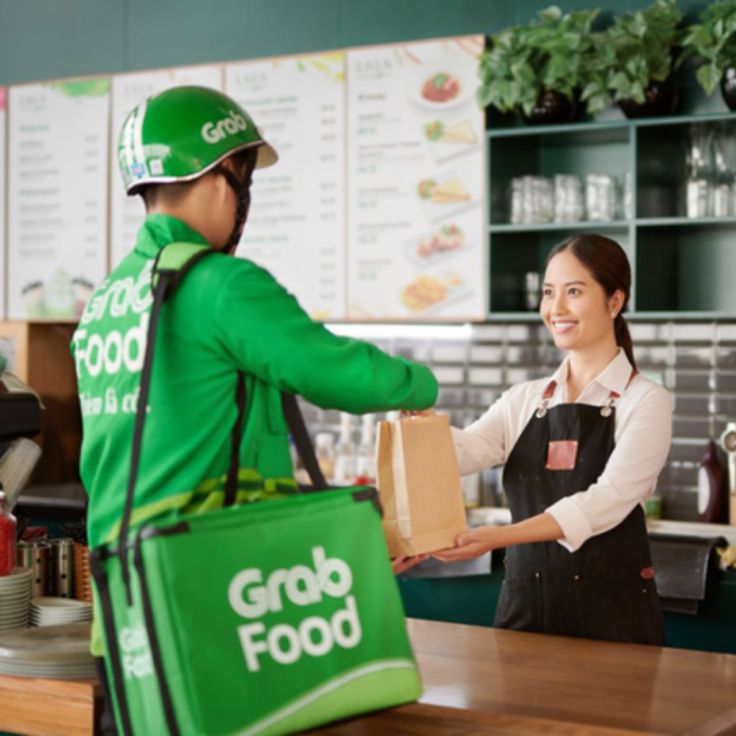
Introduction to Food Delivery Services
A food delivery service is a digital solution that connects restaurants, food vendors, and customers through online platforms. It allows users to order meals from their favorite eateries using websites or mobile applications and receive them at their doorstep. With busy lifestyles and increasing internet usage, food delivery services have become a convenient alternative to dining out or cooking at home.
Evolution of the Food Delivery Industry
Traditional Food Delivery Methods
In the past, food delivery was limited to nearby restaurants offering phone-based orders. Options were restricted, delivery times were long, and payment methods were mostly cash-based. Despite these limitations, traditional delivery laid the foundation for modern systems.
Rise of Online Food Ordering Platforms
The introduction of smartphones and mobile applications revolutionized food delivery. Online platforms now offer real-time menus, instant payments, and order tracking. This transformation improved efficiency and expanded customer choices.
Types of Food Delivery Services
Restaurant-Owned Delivery Services
Some restaurants manage their own delivery operations using in-house staff. This approach allows direct customer interaction and better quality control, but it often limits reach and scalability.
Third-Party Food Delivery Platforms
Third-party platforms act as intermediaries between customers and multiple restaurants. They provide logistics, marketing, and payment solutions, allowing restaurants to focus on food preparation.
Cloud Kitchen Delivery Model
Cloud kitchens operate without dine-in facilities and focus solely on delivery. This model reduces overhead costs and allows brands to experiment with multiple cuisines from a single location.
Key Components of a Food Delivery Service
User-Friendly Ordering Interface
An easy-to-use interface enables customers to browse menus, customize orders, and place requests quickly. Clear images, detailed descriptions, and simple navigation improve user satisfaction.
Payment and Billing Systems
Food delivery services offer multiple payment options including digital wallets, cards, and cash on delivery. Secure transactions build trust and encourage repeat usage.
Delivery Logistics and Management
Efficient delivery management ensures timely order fulfillment. Route optimization, delivery tracking, and rider coordination play a crucial role in maintaining service quality.
Importance of Customer Experience
Speed and Reliability
Fast and reliable delivery is a major factor influencing customer satisfaction. Delays can negatively impact reviews and brand reputation.
Order Accuracy and Quality
Accurate order preparation and proper packaging ensure food arrives fresh and intact. Maintaining quality during transit is essential for customer trust.
Role of Technology in Food Delivery Services
Mobile Applications and Websites
Modern food delivery services rely on mobile apps and responsive websites. These platforms allow customers to place orders, track deliveries, and receive notifications.
Data Analytics and Personalization
Analytics tools help platforms understand customer preferences and ordering habits. Personalized recommendations increase engagement and sales.
Marketing Strategies for Food Delivery Services
Search Engine Optimization
Optimized content helps food delivery platforms appear in search results when users look for nearby restaurants or cuisines. SEO improves organic traffic and visibility.
Social Media Engagement
Social media channels are used to promote discounts, new restaurants, and special offers. Interactive campaigns build brand awareness and customer loyalty.
Promotions and Discounts
Introductory offers and loyalty rewards encourage first-time users and repeat orders. Strategic promotions help platforms stay competitive.
Benefits of Food Delivery Services
Convenience for Customers
Customers can enjoy meals without leaving their homes. This convenience is especially valuable for busy professionals and families.
Expanded Reach for Restaurants
Food delivery services allow restaurants to reach a wider audience beyond their physical location. Increased exposure leads to higher sales potential.
Employment Opportunities
The food delivery industry creates job opportunities for delivery riders, customer support staff, and technology professionals.
Challenges in the Food Delivery Industry
High Competition
The market is highly competitive, with multiple platforms offering similar services. Differentiation through service quality is essential.
Operational Costs
Delivery logistics, technology maintenance, and marketing expenses can impact profitability if not managed efficiently.
Food Safety and Hygiene
Maintaining hygiene standards during preparation and delivery is critical. Platforms must ensure compliance with food safety regulations.
Customer Support and Issue Resolution
Handling Complaints Efficiently
Prompt resolution of complaints builds trust and improves customer retention. Support channels should be easily accessible.
Refunds and Order Adjustments
Clear refund and replacement policies help manage disputes and maintain customer satisfaction.
Scalability of Food Delivery Services
Expansion into New Areas
Food delivery platforms can expand geographically with minimal infrastructure investment. This scalability supports rapid growth.
Adding New Restaurant Partners
Partnering with diverse restaurants enhances menu variety and attracts a broader customer base.
Future Trends in Food Delivery Services
Automation and Artificial Intelligence
Automation tools and AI-powered recommendations are improving efficiency and personalization. These technologies reduce errors and enhance user experience.
Eco-Friendly Packaging Solutions
Sustainable packaging is becoming a priority as customers demand environmentally responsible practices.
Integration with Smart Devices
Voice assistants and smart home integrations are shaping the future of food ordering, offering hands-free convenience.